Top ADSS Fiber Optic Cable Trends at 2026 Canton Fair?
As the 2026 Canton Fair approaches, the focus on Cable De Fibra Optica Adss is undeniable. This technology plays a crucial role in advanced manufacturing, especially within the telecommunications sector. In recent years, the demand for high-performance fiber optic cables has surged. According to industry reports, the global market for fiber optic cables is projected to reach $16 billion by 2026. This growth is driven by the increasing need for reliable communication infrastructure worldwide.
At the upcoming 139th Canton Fair, scheduled from April 15 to May 5, the introduction of AI technology will enhance the experience for buyers and suppliers. Featured exhibitions will showcase the latest innovations in fiber optic products, including Cable De Fibra Optica Adss. However, there remains a need for companies to address challenges such as production quality and certification compliance. Misalignment in these areas can lead to increased operational costs and supply chain disruptions.
The integration of AI tools will assist buyers in navigating the expansive exhibitions. Yet, amidst the excitement, stakeholders must remain vigilant about evolving market demands and standards. As the fiber optics industry grows, companies must reflect on their strategies to ensure they can adapt effectively. Addressing these challenges will be vital for success at the fair and beyond.
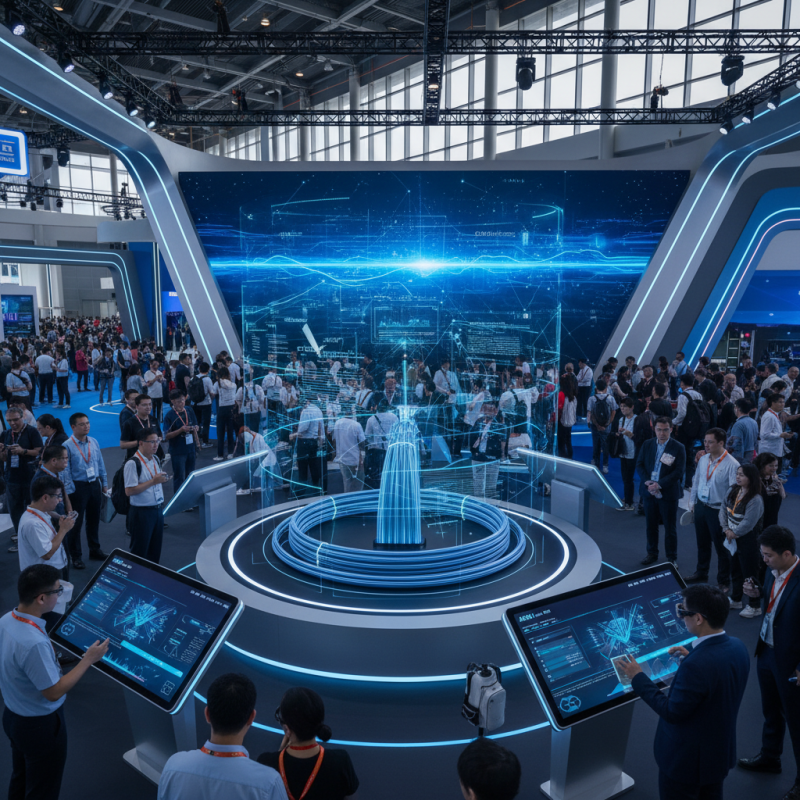
Current Innovations in ADSS Fiber Optic Cable Technology
The 2026 Canton Fair is set to showcase dynamic innovations in ADSS fiber optic cable technology. These cables are crucial for high-speed communication. Recent developments focus on improving durability and performance. Innovations aim to reduce signal loss, which enhances data transmission quality. Enhanced materials are being used, leading to stronger cables that withstand harsh conditions.
Many manufacturers are exploring the integration of smart sensors within fiber optic cables. This trend could reshape maintenance strategies. Sensors can provide real-time monitoring of cable conditions. However, challenges remain in ensuring these sensors operate effectively in all environments. The cost of these innovations may also deter some companies from adopting them.
Another exciting development is the focus on eco-friendly materials. This effort reflects a growing awareness of environmental issues. Sustainable options can reduce the carbon footprint of fiber optic production. However, the durability and cost-effectiveness of these materials still need improvement. Companies must address these concerns to fully realize their potential.
Market Demand Trends for ADSS Fiber Optic Cables by 2026
As the 2026 Canton Fair approaches, the market for ADSS (All-Dielectric Self-Supporting) fiber optic cables is evolving rapidly. The demand for these cables is driven by various sectors, including telecommunications and power distribution. With urbanization continuing, more infrastructures are needed. This growth presents both opportunities and challenges for manufacturers and suppliers.
Experts predict a significant increase in ADSS cable usage. More businesses will adopt this technology to enhance connectivity. However, ensuring proper installation and maintenance remains a concern. Many installers lack expertise, leading to potential performance issues. Additionally, environmental factors, such as weather and wildlife, can impact cable longevity. Understanding these challenges is crucial for industry players.
Innovations in materials and designs are also on the horizon. The push for sustainable practices will lead to new developments in ADSS cables. However, achieving a balance between cost and quality is complex. Companies may need to reassess their strategies to meet evolving market needs while managing their resources effectively. This landscape creates a dynamic environment at the Canton Fair, where collaboration and innovation will thrive.
Comparative Analysis of ADSS Fiber Optic Cables and Alternatives
The market for ADSS fiber optic cables is growing rapidly. These cables are designed for overhead applications. They offer robustness and excellent signal integrity. However, alternatives exist, such as direct buried cables and aerial bundles. Each option has unique strengths and weaknesses.
Comparing ADSS cables to alternatives reveals interesting insights. ADSS cables require less maintenance. However, they can be more expensive upfront. In contrast, traditional cables might cost less initially. Yet, they may require frequent repairs. This can lead to higher long-term costs.
Tips: Consider the environment before choosing a cable type. The right material can reduce weather-related issues. Also, reflect on future needs, not just current requirements. Flexibility in design can save on costs later. Planning early is key to success.
Impact of Regulatory Changes on ADSS Fiber Optic Cable Adoption
The fiber optic industry is currently navigating significant regulatory shifts. These changes can either boost or hinder the adoption of ADSS (All-Dielectric Self-Supporting) fiber optic cables. As governments tighten their scrutiny on telecommunications, various compliance requirements emerge. Companies in the sector must adapt quickly to these new regulations.
However, many manufacturers feel overwhelmed. The complexity of guidelines can sometimes lead to confusion. Some companies might struggle to keep up with testing and certification processes. This can delay product launches and market penetration. The increased costs associated with compliance can also be a barrier for smaller entities.
On the other hand, regulatory changes can spark innovation. They encourage companies to develop more advanced, compliant technologies. This could lead to safer and more efficient fiber optic systems. Yet, balancing compliance with operational efficiency proves challenging. Finding this balance often requires a period of reflection and adjustment for many in the industry.
Sustainability Practices in ADSS Fiber Optic Cable Manufacturing
Sustainability is becoming a focal point in ADSS fiber optic cable manufacturing. As industry demands grow, companies face pressure to adopt eco-friendly practices. In 2023, a report noted that nearly 70% of manufacturers are exploring sustainable material options. This trend is expected to rise at the 2026 Canton Fair, showcasing products that minimize environmental impact.
Recycling remains a key practice. Utilizing recycled materials can significantly reduce waste. Recent statistics indicate that using recycled fibers can lower carbon emissions by up to 40%. However, many firms still struggle with quality issues. They find it challenging to balance sustainability and performance. The journey to efficient recycling processes needs attention.
Tips: Always choose suppliers with transparent practices. Certifications can guide decision-making. Companies should aim for achievable sustainability goals. Small changes can lead to significant improvements. Embracing innovation is crucial to enhancing eco-friendly methods in the industry.