What Is an Apartment Intercom and How Does It Work?
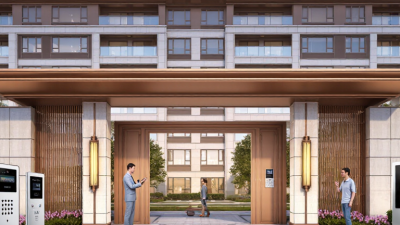
An apartment intercom is a communication and access-control system designed for shared residential buildings. It connects a visitor at the entrance with a resident inside an apartment. The resident can usually speak with the visitor before deciding whether to unlock the door. This simple exchange adds a practical security layer without requiring residents to inspect every visitor personally.
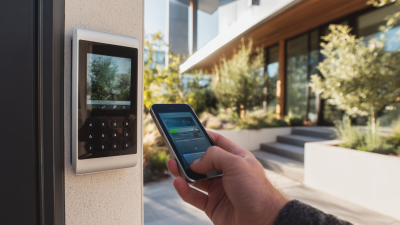
A typical apartment intercom includes an entrance panel, microphone, speaker, call buttons, and an indoor handset or touchscreen. When a visitor selects an apartment, the system sends a signal to the matching unit. The resident answers, speaks through the audio channel, and presses an unlock button when appropriate. Some modern systems add video, mobile notifications, PIN codes, RFID cards, or remote management. These features can improve convenience, but they also require careful setup and regular maintenance.
The details matter. Clear audio helps residents identify voices, while a bright camera can reveal faces during evening visits. Building managers should test door releases, backup power, and network connections regularly. An apartment intercom is not a complete security solution. It can fail because of wiring damage, weak internet service, or a poorly positioned camera. That limitation deserves attention. No system is flawless.
Reliable installation should follow the manufacturer’s instructions and the building’s approved safety procedures. Residents should avoid opening doors for unknown people simply because they sound familiar. A well-maintained intercom supports informed decisions, protects convenience, and gives residents a clearer view of who is requesting entry.
What Is an Apartment Intercom?
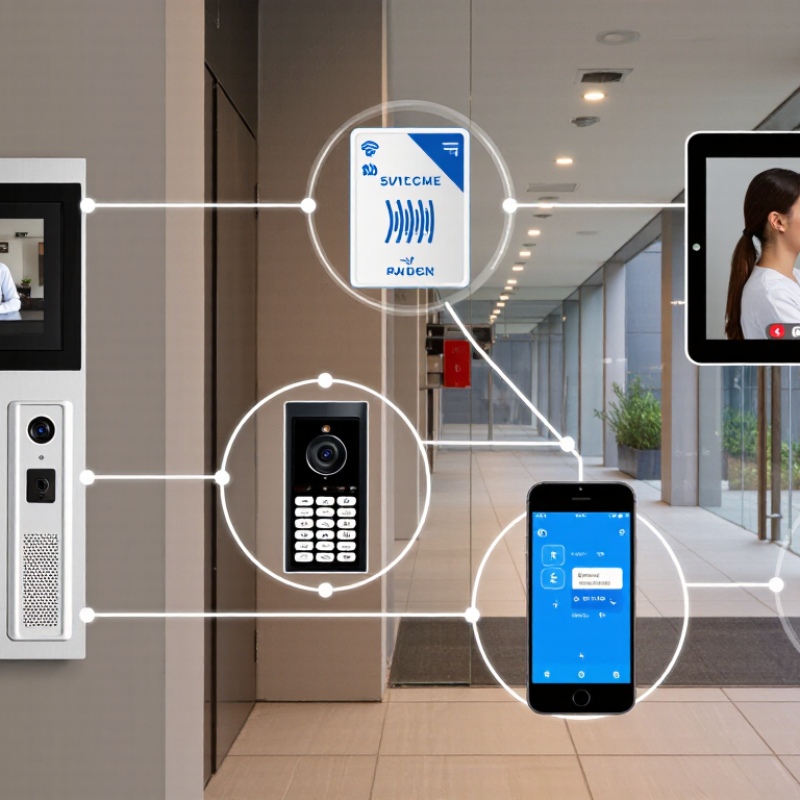
An apartment intercom is an entry communication system for a residential building. It connects a visitor at the entrance with a resident inside an apartment. The visitor usually presses a unit number and speaks through a small panel. The resident answers using a handset, wall screen, or mobile device. Many systems also include a door-release button. This lets the resident unlock the shared entrance without walking downstairs.
The system normally uses a camera, microphone, speaker, and electronic lock connection. When a call starts, the intercom sends audio, and sometimes video, between the entrance panel and the apartment device. A camera can show a visitor’s face, clothing, and surroundings. That detail matters when lighting is poor. In my experience, clear audio is often more useful than a sharp image. However, walls, network failures, and careless installation can reduce performance. No system is perfect.
Tips: Keep the indoor device clean and test it occasionally. Check whether the microphone works from the entrance. Ask building management about backup access during power or network outages. Do not open the door based only on a familiar voice. A short conversation can still be misleading. Record unusual faults with the date and time. This makes professional maintenance easier.
What Are the Main Components of an Apartment Intercom?
An apartment intercom connects a building entrance with individual homes. Its main components work together to identify visitors and control communication. The entrance panel usually includes a microphone, speaker, call buttons, and sometimes a camera. A visitor selects an apartment, and the system sends a signal to the matching indoor unit.
The indoor unit may be a handset, wall-mounted monitor, or touchscreen. Residents can hear the visitor, speak back, and view the entrance when video is available. A controller manages these signals and directs each call correctly. Wiring or a secure network carries audio, video, and control data. The power supply keeps the system active, while an electric door-release mechanism unlocks the entrance after approval. In practice, sound quality can suffer when cables age or microphones collect dust. No system is perfect.
Tips: Keep the entrance microphone and camera clear of dirt, rain, and loose coverings. Test audio from both sides, not only inside the apartment. Check whether the door-release button responds quickly. If video appears blurry, inspect lighting before replacing equipment. Small details matter. Residents should also confirm that access records and visitor information are handled responsibly. A technician can test voltage, connections, and controller settings without guessing.
How Does an Apartment Intercom Work Step by Step?
An apartment intercom connects a building entrance with each resident’s indoor station. Modern systems may use wiring, Wi-Fi, or an internet-based network.
The process begins when a visitor selects an apartment and presses the call button. The entrance panel sends a signal to the resident’s handset or mobile application. The indoor unit rings, while a camera may show the visitor’s face. The resident speaks through the microphone and checks the surroundings. If the visitor is expected, the resident presses the unlock button. An electrical relay then releases the entrance lock for a short period. Some systems record calls, access events, or failed attempts. According to Grand View Research, the global access control market was valued at about 9.9 billion dollars in 2023. Its projected growth reflects demand for connected building security, although intercom performance still depends on installation quality.
Tips: Test the system from several floors. Check audio near busy streets. Keep emergency access procedures separate. A weak network can delay video or unlocking. That detail is often overlooked. Residents should also confirm who receives mobile alerts after a staff change. Real buildings are rarely perfect. A camera may face glare, and a speaker may sound unclear. Regular inspections can reveal these problems before a visitor waits outside. Manufacturers’ technical guidance, local building requirements, and installer records should support maintenance decisions.
What Types of Apartment Intercom Systems Are Available?
What Is an Apartment Intercom and How Does It Work?
What Types of Apartment Intercom Systems Are Available?
Apartment intercom systems usually fall into six categories: audio, video, IP, wireless, mobile, and hybrid. Audio systems use a microphone and speaker. They are affordable, but residents cannot see visitors. Video systems add a camera and indoor screen. They help residents check a visitor’s face, package, or surroundings before unlocking the entrance.
IP intercoms connect through a building’s network. They can send calls to reception desks, tablets, or authorized mobile devices. Wireless systems simplify installation in older buildings, though signal quality may vary between concrete walls. Mobile systems forward calls to a phone, which suits residents who travel often. Hybrid systems combine wired entry panels with internet-based communication. They are practical during gradual renovations.
Fortune Business Insights valued the global smart home market at 121.59 billion dollars in 2023. Its report projects 633.20 billion dollars by 2032. This wider trend supports demand for connected apartment access, but it does not guarantee better security. That matters. The best choice depends on building age, network reliability, privacy controls, and maintenance skills. In my experience, video is not automatically superior. A clear camera with poor lighting can mislead users. Wireless access can also fail during network outages. Still imperfect. Managers should test emergency power, audio clarity, door-release timing, and resident permissions before installation.
What Features and Benefits Do Apartment Intercoms Offer?
An apartment intercom is an entry communication system connecting a building entrance with individual homes. When a visitor presses a call button, the selected resident receives an audio or video alert. The resident can speak with the visitor and unlock the entrance remotely, if authorized. Some systems connect to a wall handset, smartphone, or central directory. A camera can show the visitor’s face, package, or surroundings before access is granted.
The main benefit is controlled access without opening the door blindly. Video verification can reduce confusion during deliveries and late-night visits. Many systems support key fobs, PIN codes, or temporary digital credentials. Property staff can update resident information and remove access after a tenancy ends. Some platforms keep entry records, helping investigate unusual activity. Accessibility features, such as large buttons and loud audio, also support older residents and people with disabilities. However, no system is perfect. Poor lighting, weak internet service, or a forgotten code can still cause problems.
Tips:
Choose equipment with clear audio, night visibility, weather resistance, and backup power. Test the unlocking function regularly. Keep resident data limited and protected. During installation, ask a qualified technician to check wiring, door hardware, and emergency release behavior. Small oversights can create daily frustration.