Best Weatherproof Mats for All Seasons What to Consider?
Weatherproof Mats are essential for maintaining cleanliness and safety across various surfaces. According to industry reports, over 30% of slips and falls occur from wet or dirty floors. This emphasizes the need for quality mats that withstand various weather conditions. Weatherproof mats provide traction and protection, making them indispensable for homes and businesses alike.
Choosing the right weatherproof mat can be challenging. Buyers must consider material durability, texture, and overall aesthetic. Some mats may perform well in certain environments but fall short in others. Industry studies suggest that mats made from rubber or coir fibers often deliver the best results. These materials offer resilience and moisture resistance. However, they require regular maintenance to remain effective.
Investing in the right weatherproof mats can lead to long-term benefits. These mats not only enhance safety but also reduce cleaning time. They prevent dirt and moisture from entering indoor spaces, ultimately improving air quality. Yet, it's crucial to regularly assess the effectiveness of the mats in use and address any wear and tear.
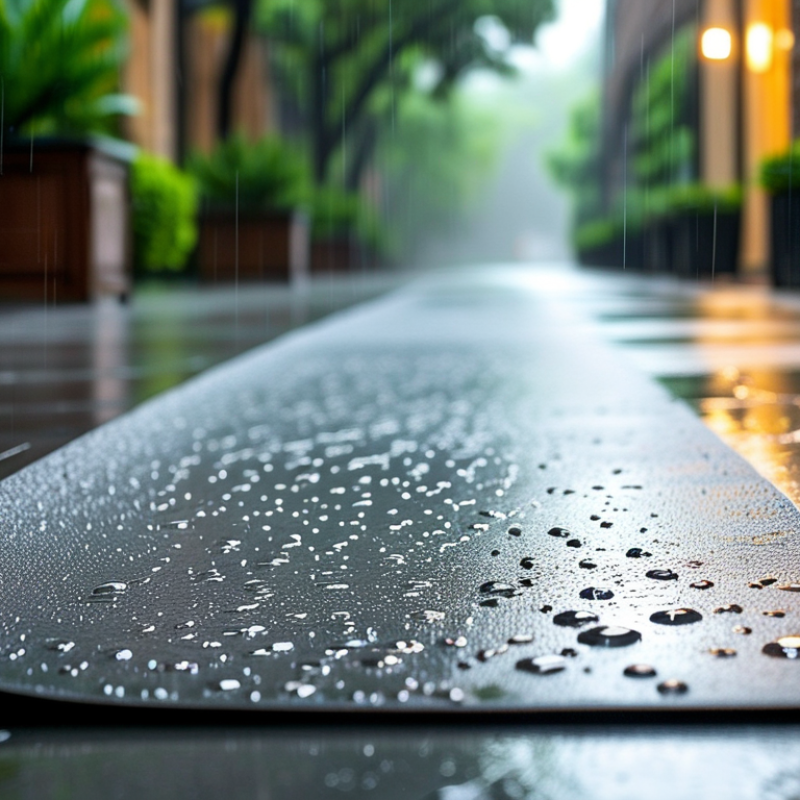
Choosing the Right Material for Weatherproof Mats
When choosing weatherproof mats, the material plays a crucial role. Options include rubber, polypropylene, and coir. Each material has distinct characteristics suitable for various environments. Rubber mats resist moisture and provide a non-slip surface. They’re ideal for areas prone to rain and mud. Polypropylene mats are lightweight and quick-drying, making them great for both indoor and outdoor use. Coir offers a natural option, ideal for trapping dirt and debris.
Tips for selecting mats:
- Consider the climate in your area. If you face heavy rain or snow, opt for rubber.
- Look for mats with drainage holes for better water management. This will prevent pooling and allow for quick drying.
- Think about the aesthetic. Choose colors and designs that complement your space while being practical.
Don't overlook maintenance. Some materials require more care to keep them looking fresh. For example, coir mats may need vacuuming and shaking out. Meanwhile, rubber mats can be hosed down, but they can fade in direct sunlight. Reflect on where you place the mat to ensure it lasts longer. Choosing the right material can enhance both
beauty and
functionality in your entryway.
Durability Features to Look for in All-Season Mats
When it comes to all-season mats, durability is a key factor. You want a mat that can withstand various weather conditions. Look for materials that resist fading, cracking, and tearing. Rubber and heavy-duty plastics are often great choices. They provide excellent grip and prevent slipping, which is vital during wet seasons.
Additionally, consider the thickness of the mat. A thicker mat tends to be more durable. It can better absorb the impact of foot traffic and the wear from outdoor elements. Some mats feature reinforced edges, which can help prevent fraying. Be mindful of these details when making a selection.
Weight is another consideration. A lighter mat may move around during strong winds or heavy rain. Heavier mats stay in place better. However, be cautious; too heavy can be hard to handle. Finding the right balance is essential. Imagine how a mat performs in heavy snow or rain. Picture the wear and tear it might face over time. Keeping all these factors in mind will lead to a better choice.
Best Weatherproof Mats for All Seasons - What to Consider?
| Mats Type | Material | Durability (Years) | Weather Resistance | Price Range |
| Indoor/Outdoor Mat | Polypropylene | 5-7 | Waterproof, UV Resistant | $25 - $50 |
| Rubber Mat | Natural Rubber | 7-10 | Waterproof, Slip-Resistant | $30 - $70 |
| Coir Mat | Coconut Fiber | 3-5 | Water-Resistant | $20 - $40 |
| Textured Mat | Nylon | 5-8 | Waterproof, Fade Resistant | $40 - $80 |
| Anti-Fatigue Mat | PVC | 5-10 | Waterproof, Heat Resistant | $30 - $60 |
Design Considerations for Aesthetic and Functional Use
When choosing weatherproof mats, design is crucial. A mat's aesthetic appeal can enhance your space. Think color and texture that align with your decor. Select patterns that can hide dirt while still looking attractive. Simplicity often works best in outdoor settings.
Functionality should also play a key role in your decision. Mats provide slip resistance in wet conditions. Ensure they can withstand harsh weather while remaining durable. Materials like rubber and vinyl are often suitable. They can endure heavy foot traffic without showing wear.
Reflecting on your needs is important. What will you use the mat for? Will it be placed by the door, or used in a garden? Considering these factors can lead to better choices. Remember, a balance between style and function is essential for long-term satisfaction.
Maintenance Tips for Prolonging the Life of Weatherproof Mats
When selecting weatherproof mats, maintenance plays a crucial role in extending their lifespan. Regular cleaning is essential. Simply shaking off dirt or vacuuming can help. For deeper cleaning, use a mild detergent and water. Avoid harsh chemicals that could damage the mat's material.
Inspect your mats occasionally for wear and tear. Look for frayed edges or stains. These issues can lead to more significant problems if ignored. Repair small damages promptly to prevent further deterioration. Store mats indoors during extreme weather conditions to protect them. Ensure they are completely dry before storage to inhibit mold growth.
Even the best mats need care. Heavy usage can lead to quicker wear. Rotate mats occasionally to ensure even wear. Consider placing mats in less trafficked areas during harsh weather. Paying attention to these details can greatly enhance the durability of weatherproof mats. It's a simple yet effective way to preserve their functionality and aesthetic appeal over time.
Budgeting: Finding Cost-Effective Options for Quality Mats
When choosing weatherproof mats, budgeting is essential. Finding quality options that are cost-effective can be tricky. A detailed report by the Outdoor Products Association highlights that the average consumer spends around $50 to $100 on mats annually. This range suggests many mats fall into the “value for money” category.
Investing wisely requires understanding materials and durability. Research shows that mats made of high-quality rubber or polypropylene can withstand extreme weather conditions. These materials often yield a longer lifespan. Some studies indicate that investing in a higher-priced mat can save over time, cutting down on replacements. However, a common mistake is assuming that higher price equals better quality. Some budget-friendly options perform excellently.
Moreover, personal needs should influence purchases. A family with pets or kids may prioritize slip resistance. Ineffective choices can lead to increased safety risks. Additionally, the climate where you live should guide your decision. Mats designed for specific weather elements can enhance their functionality. Ultimately, reflection on these factors can lead to smarter buying decisions, creating a balance between quality and cost.
Best Weatherproof Mats for All Seasons: Cost-Effective Options