Why Choose the Right Power Connector for Your Needs?
Choosing the right Power Connector is crucial for ensuring optimal performance and safety. Power connectors come in various types and sizes, which makes selection a significant task. The wrong choice can lead to failures and potential hazards.
Understanding the specific needs of your devices is essential. Power connectors must match the voltage, current, and application requirements. A detailed assessment helps in avoiding electrical issues. Many users overlook the importance of quality and compatibility. This can lead to costly mistakes down the line.
In the rapidly evolving tech landscape, staying informed is vital. Research and expert resources can guide your choice. Reflect on past experiences with power connectors. Consider what worked and what didn’t. A thorough evaluation of your needs and preferences will ensure better decision-making.
Understanding Different Types of Power Connectors Available Today
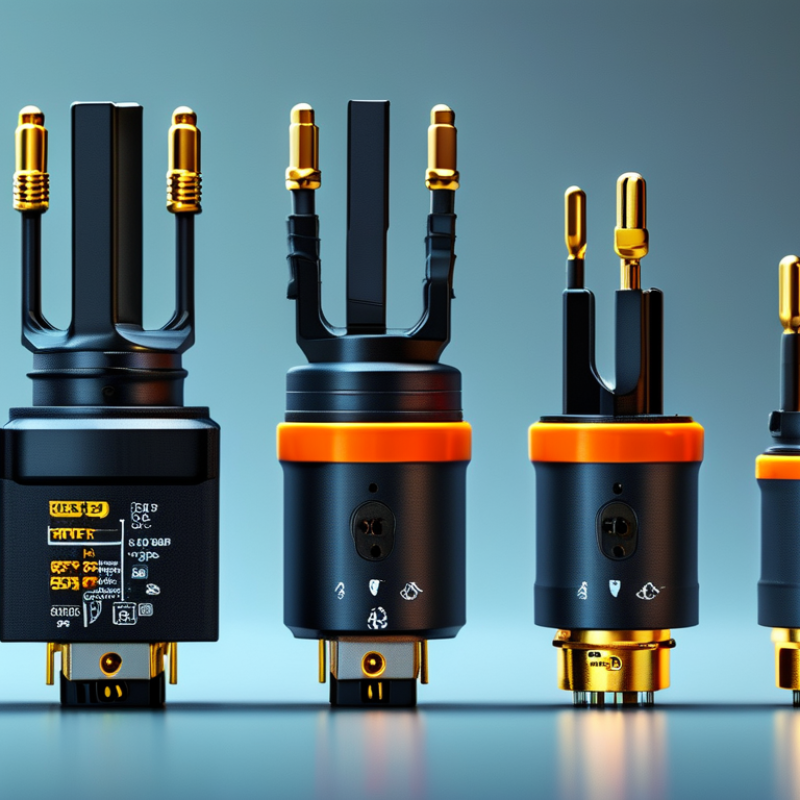
Power connectors come in various types, each serving distinct purposes. Choosing the right one is crucial for efficiency and safety. For instance, a simple two-prong connector may suffice for light appliances. However, heavier equipment often requires three-prong connectors for grounding. Understanding these differences ensures that devices work correctly and reduces the risk of electrical shock or fire.
When selecting a connector, consider the device's power requirements. The voltage and amperage ratings guide your choice. Using a connector rated for lower power can lead to risks. On the flip side, using a higher-rated connector may not fit or function properly. Always check the specifications before making a decision.
Tips: When in doubt, consult experts or refer to reliable resources. Test your connectors regularly, especially in high-use environments. A faulty connector can lead to larger issues down the line. Keep in mind that the industry evolves, so staying updated on new types is beneficial for longevity and safety.
Key Factors to Consider When Selecting a Power Connector
Choosing the right power connector is essential for ensuring safety and efficiency in your projects. Understanding key factors can greatly influence your selection. One important aspect is the current rating of the connector. Connectors must handle the required amperage without overheating. According to industry reports, connectors rated for 10A or higher are preferred for heavy-duty applications.
Another thing to consider is the environmental conditions. Connectors should withstand moisture, dust, and temperature fluctuations. For example, connectors used outdoors must have higher ingress protection (IP) values. Data indicates that a 60% failure rate in outdoor connectors is attributed to inadequate sealing.
**Tips:** Always check the compatibility of materials used. Mismatched materials can lead to corrosion. Additionally, consider the size and weight of connectors. Bulky connectors may be impractical in tight spaces.
While understanding specifications is crucial, it's equally important to evaluate the longevity and reliability of the connection. Some connectors may perform well initially but fail after repeated use. Periodic testing can help identify potential issues early on. Balancing performance with durability will lead to better choices in the long run.
Power Connector Types and Their Applications
Compatibility Considerations with Your Devices and Systems
Selecting the right power connector is crucial for device compatibility. Different devices and systems often require specific connectors for optimal performance. Misaligned connectors can lead to inefficient power delivery or, worse, damage to your equipment.
When considering compatibility, think about the voltage and amperage requirements of your devices. Some connectors may not handle higher loads safely. Looking at the physical design of the connectors is important too. Certain connectors might fit physically but not electrically. This happens more often than you'd like to admit.
Another aspect to reflect on is the environment in which your devices operate. For example, connectors in humid or dusty areas may need better sealing. Ignoring these details can result in premature failures. Compatibility isn't just about fit; it’s about ensuring longevity and reliability in your systems.
Why Choose the Right Power Connector for Your Needs? - Compatibility Considerations with Your Devices and Systems
| Device Type | Power Connector Type | Voltage Rating | Current Rating | Compatibility |
| Laptop | Barrel Connector | 19V | 3A | HP, Dell, Lenovo |
| Smartphone | USB Type-C | 5V | 2A | Samsung, Google, OnePlus |
| Desktop PC | ATX Connector | 12V | 25A | Standard Motherboards |
| Game Console | Proprietary Connector | 12V | 5A | PlayStation, Xbox |
| Tablet | Lightning Connector | 5V | 2.4A | Apple Devices |
Common Applications for Various Power Connectors
Power connectors play a vital role in various industries. Choosing the right type can significantly impact performance and safety. Common applications include consumer electronics, automotive, and industrial machinery. For instance, the global power connector market is projected to reach $27.5 billion by 2026, growing at a 6.4% CAGR from 2021. This growth highlights the importance of selecting connectors that fit specific applications.
In consumer electronics, connectors need to support high data transfer rates. USB connectors are prevalent due to their versatility. They handle power and data, making them suitable for smartphones and laptops. On the other hand, automotive applications require connectors that withstand harsh conditions. Heat, moisture, and vibrations are common challenges. According to a report from the International Electrotechnical Commission, automotive connectors must meet strict reliability criteria.
Industrial machinery applications benefit from robust connectors as well. These connectors often face heavy use and require durability. The market for industrial connectors is expected to expand as automation increases. However, organizations must carefully assess their power needs and select connectors accordingly. A misstep can lead to inadequate performance or safety hazards, illustrating the critical nature of this choice.
Safety and Performance Standards for Power Connectors
When selecting a power connector, safety and performance are paramount. The right connector can prevent hazards like short circuits and overheating. Different connectors meet various standards, impacting both reliability and user safety.
Understanding these standards is crucial. Look for connectors that comply with international safety certifications. These certifications ensure that the connectors can handle specific voltage and current levels safely. A connector that meets these standards can protect your devices and enhances overall functionality.
Tips:
Always check the specifications before purchasing. Choose connectors that fit your application’s power requirements. Regularly inspect your connections for wear and tear. A worn connector can lead to failures or dangerous situations. Remember, even minor issues can escalate into major problems if ignored.