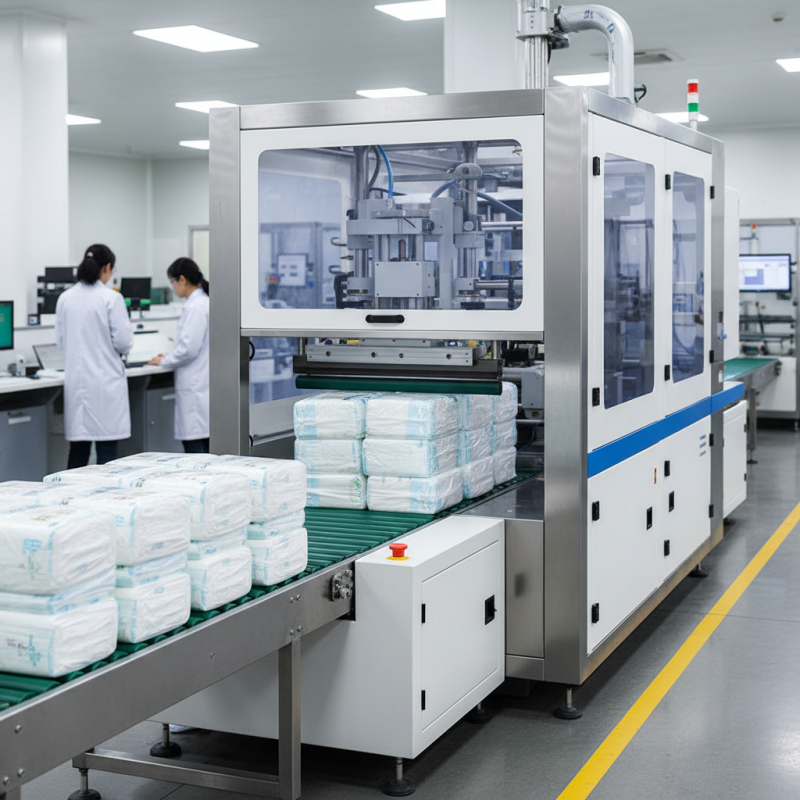
How to Choose the Best Baby Diaper Packing Machine?
Choosing the right Baby Diaper Packing Machine is crucial for manufacturers. It impacts production speed, efficiency, and product quality. The market offers various options, making the selection process daunting.
Understanding your specific needs is essential. Consider factors like production capacity, machine size, and automation level. These details can guide your choice effectively. A reliable machine ensures consistent packaging, which is vital in maintaining product standards.
Evaluating suppliers is equally important. Look for manufacturers with good reputations and proven expertise. Reviews and case studies can provide insights. The right Baby Diaper Packing Machine can enhance your operations significantly. Yet, it’s also a significant investment. Reflect on how each option aligns with your business goals and budget.
Understanding the Types of Baby Diaper Packing Machines Available
When considering the types of baby diaper packing machines, understanding their features is crucial. There are several types available, including semi-automatic and fully automatic machines. Semi-automatic machines require some manual intervention, allowing for flexibility in production. However, this can lead to inconsistencies in packing quality and speed. Fully automatic machines, on the other hand, enhance efficiency and reduce labor costs. They can pack a large number of diapers quickly, yet their initial cost can be quite high.
Another aspect to consider is the machine's output capacity. Different machines cater to various production levels. For smaller manufacturers, low-capacity machines may suffice. High-capacity machines are ideal for larger manufacturers with significant output requirements. It's important to evaluate your production needs carefully. While high-capacity machines offer speed, they may also introduce challenges in maintenance and troubleshooting.
Material compatibility is another critical factor. Some machines can handle different types of packaging materials, which allows for versatility. However, not all machines are designed for eco-friendly materials. This can be a concern for brands looking to position themselves as environmentally friendly. Thus, assessing environmental impact alongside operational efficiency is necessary. Balancing these factors will help you choose the right diaper packing machine for your needs.
Key Features to Consider When Selecting a Diaper Packing Machine
When selecting a baby diaper packing machine, key features play a crucial role. Efficiency is a primary concern. A good machine should process a high volume of diapers per hour. Speed impacts production and revenue. Choose a model that balances speed and the quality of packing. Slow machines can lead to bottlenecks.
Consider the machine’s adaptability. The best diaper packers can handle various sizes and styles. This flexibility caters to changing market demands. A rigid machine may limit your business growth. Look for options with easy adjustments. User-friendly controls help staff operate the machine efficiently.
Tips: Always check the machine's durability. Long-lasting equipment can save costs in the long run. Maintenance should also be straightforward. Machines that require excessive upkeep can hinder productivity. Evaluate the support offered by manufacturers too. Reliable assistance ensures smooth operations and quick problem resolution. Reflect on your specific needs to make the best choice.
Comparison of Key Features in Baby Diaper Packing Machines
Evaluating Production Capacity and Speed for Your Needs
When selecting a baby diaper packing machine, assessing production capacity and speed is crucial. These factors significantly impact your overall efficiency and product quality. Determine your production needs before choosing a machine. Understand how many diapers you plan to pack daily. This will guide your decision and help avoid underutilization or overcapacity.
It's essential to evaluate the machine's speed. A faster machine may seem appealing, but it should align with your production goals. Consider the maximum output per minute. Remember, speed without precision can lead to waste and inconsistencies. Regularly review your production logs to identify any bottlenecks or slowdowns.
Tip: Always test the machine in real-world scenarios. This helps reveal hidden flaws. Engage with experienced operators as they may provide valuable insights. Consider maintenance and support when making your decision. A reliable machine can minimize downtime, ensuring smooth operations. Reflect on your requirements and adjust your plan accordingly. Investing time into this process will pay off in the long run.
Importance of Cost and Budget When Choosing a Diaper Machine
When selecting a diaper packing machine, cost plays a vital role. Many manufacturers face budget constraints. Understanding your financial limitations will help narrow your options. A high price doesn’t always guarantee the best quality. It’s essential to balance cost with the machine's capabilities and reliability.
Invest in quality without overspending. A machine that fits your budget may lack some features, which could affect production efficiency. Look for options that offer a good return on investment. Research available models thoroughly. Amidst the rush to save, some may overlook essential aspects like durability and ease of use.
Reflect on your needs and think critically about long-term expenses. Cheaper machines might have higher operational costs. They may require frequent repairs and maintenance. This could offset initial savings. Choosing wisely means evaluating both upfront costs and future implications. A thoughtful approach will ensure a more strategic investment.
Assessing Supplier Reputation and After-Sales Support Options
When choosing a baby diaper packing machine, assessing a supplier's reputation is critical. A credible supplier plays a significant role in your investment. According to a report by MarketsandMarkets, the diaper machinery market is projected to reach $1.5 billion by 2025, highlighting the growth in demand for reliable suppliers. Companies that have established a strong reputation often provide insights into their operational stability and product reliability.
Consider the after-sales support options offered by potential suppliers. A study from Technavio indicates that 30% of manufacturers report issues with machinery maintenance, leading to production downtime. Reliable after-sales support can significantly minimize these risks. Look for suppliers that offer training, on-site assistance, or extended warranties. Save time and money by ensuring you won’t be alone if issues arise. Suppliers who prioritize customer service often include feedback mechanisms which can indicate their dedication to continuous improvement.
It’s important to review testimonials and case studies. They can shed light on how suppliers have handled challenges. The experiences shared by other manufacturers can provide valuable advice. Pay attention to how quickly a supplier responds to concerns. Delays in communication during crucial times can be telling. Making informed decisions in this area may take additional research, but it’s a worthwhile investment.