How to Choose the Best Intercom System for Home Use?
Choosing the right intercom system for home can be a daunting task. With various options available, it's essential to consider specific features that meet your needs. An effective intercom system enhances communication and security within your home.
When evaluating an intercom system for home use, consider factors like sound quality and ease of installation. Visual intercoms provide an added layer of security, allowing you to see who is at the door. However, the cost can vary significantly based on these features.
It's easy to get overwhelmed by technical jargon and endless choices. Each family's needs are unique, which means what works for one may not suit another. Reflecting on your habits and lifestyle can help guide your decision. An intercom system for home should ultimately make life easier, not more complicated.
Understanding Different Types of Intercom Systems for Home Use
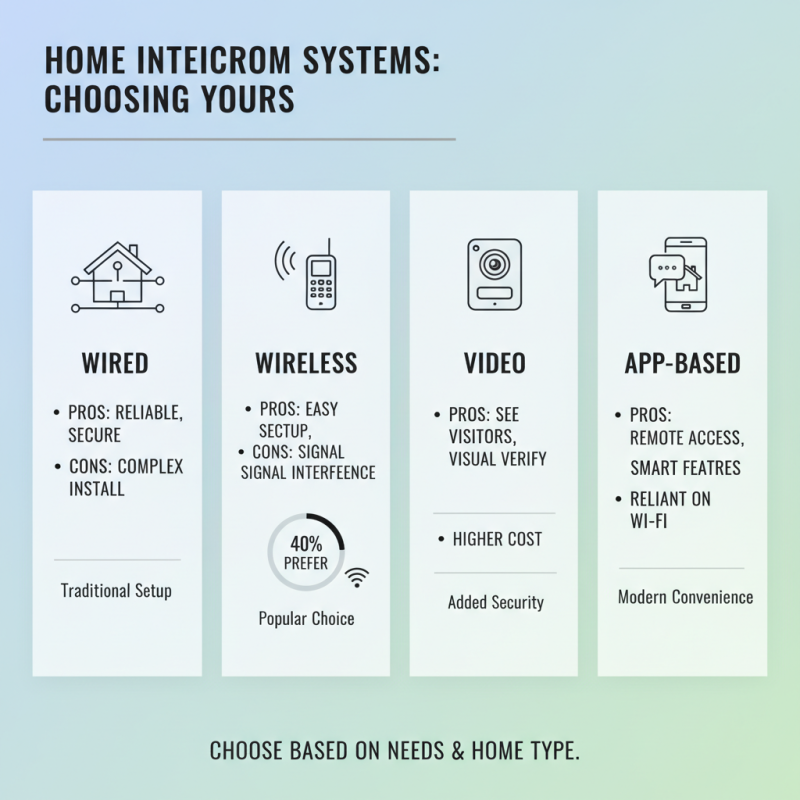
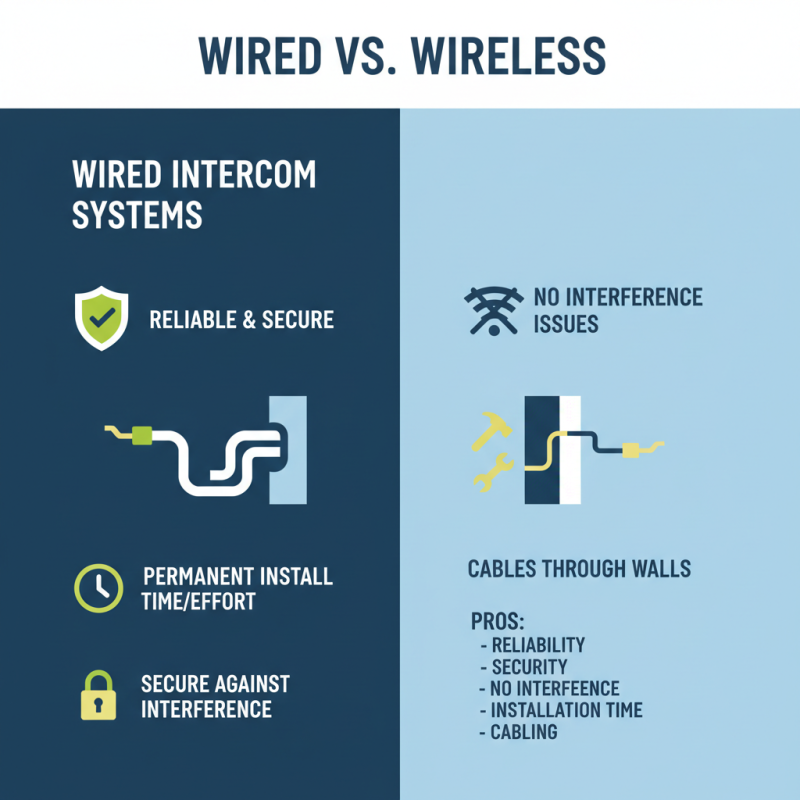
When choosing an intercom system for home use, understanding the different types is crucial. There are wired, wireless, video, and intercom apps available. Each offers unique features suited for various needs. According to industry reports, approximately 40% of homeowners prefer wireless systems for their ease of installation and flexibility. Wireless systems eliminate messy wiring but can face issues with signal interference.
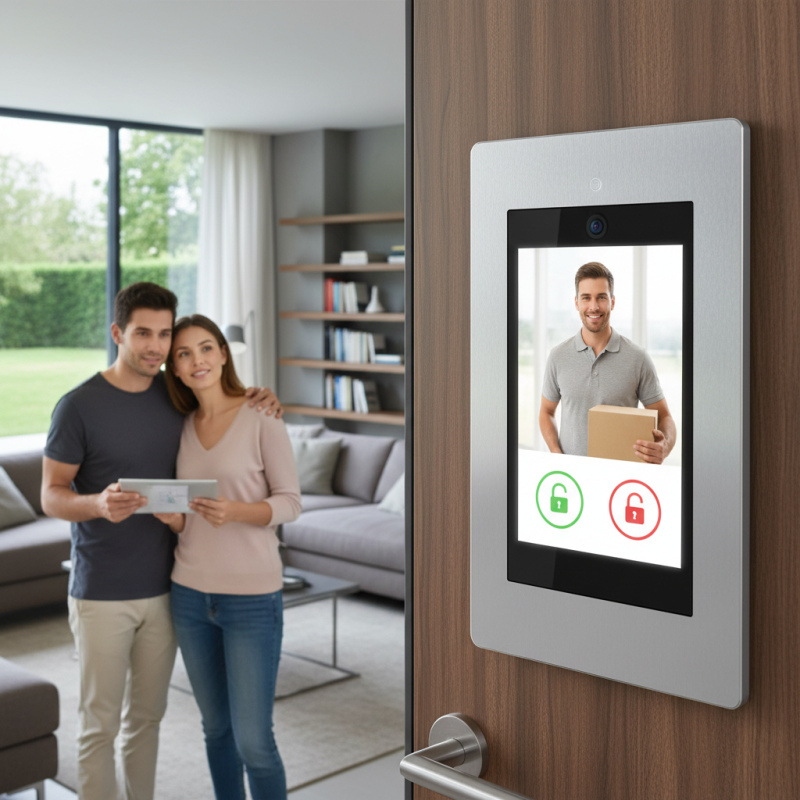
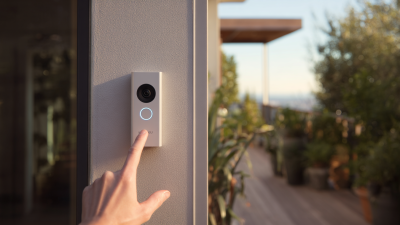
Video intercoms provide an extra layer of security. They allow homeowners to see who is at the door before answering. A study shows that homes equipped with video intercoms can reduce unauthorized entries by up to 30%. However, installation costs can be higher than traditional systems.
**Tip:** Assess the layout of your home. Are there many walls or obstacles? This can affect the performance of a wireless intercom.
Also, consider the user interface. Some systems are easier to use than others. If family members include children or elderly people, this can be an important factor.
**Tip:** Read reviews from actual users. Gathering real-life experiences can guide you to make a better choice.
Finally, think about future needs. Will you expand or upgrade your home system? Some intercoms allow integration with smart home devices. This can be a wise investment.
Assessing Features: Video, Audio, and Smart Technology Integration
When choosing an intercom system for home use, integrating features like video, audio, and smart technology is crucial. Video intercom systems are gaining popularity. A recent industry report shows that video intercoms account for nearly 40% of the market share. They offer visual identification, which enhances security for homeowners. Clear audio is just as vital. Poor sound quality can lead to missed communications. More than 30% of users reported dissatisfaction with audio clarity in their current systems.
**Tip:** Look for a system with HD video quality and noise cancellation for better sound.
Smart technology integration is another key consideration. Many modern intercoms now connect with smartphones and smart home devices. This allows for remote access and monitoring. According to recent data, nearly 60% of homeowners prefer smart-enabled systems. These devices can notify you of visitors, even when you are not at home. However, not all systems work seamlessly. Some users found inconsistencies in connectivity and response times.
**Tip:** Test compatibility with your existing smart home setup before making a purchase.
Choosing the right combination of features can be challenging. Balancing video, audio, and smart tech needs careful thought. Each option offers different advantages and potential drawbacks. You might need to weigh additional costs against desired features.
Determining Your Budget: Cost Considerations for Home Intercom Systems
When deciding on a home intercom system, budget plays a crucial role. Prices can vary widely. Basic models might cost around a few hundred dollars. More sophisticated systems could reach over a thousand. Understand what features you want. Voice clarity, video capability, and range all influence the price.
Consider installation costs as well. Some intercoms are easy DIY projects. Others may require professional setup. Hiring an expert can add several hundred dollars to your expenses. It's essential to weigh these factors. A higher price doesn't always guarantee quality. Reflect on your needs and lifestyle. It’s easy to overestimate what you require.
Plan for additional expenses too. Accessories and maintenance costs matter. Think about how long you want the system to last. A higher initial investment might save money in the long run. Research different options thoroughly. Stay within your budget while gaining valuable features.
Home Intercom System Cost Considerations
This chart illustrates the average costs associated with different types of home intercom systems. Basic systems tend to be the most affordable, while smart systems represent the highest investment, reflecting their advanced features.
Comparing Brands and User Reviews for Reliability and Performance
When selecting an intercom system, user reviews can be very insightful. Many people share their experiences with various models online. It's common to see mentions of ease of installation and sound quality. However, not all reviews are trustworthy. Some might focus on minor features while overlooking significant drawbacks.
Reliability is crucial. Some systems work perfectly in small homes but struggle in larger spaces. Users often report issues with connectivity over distances. Many brands highlight their products' range, but real-world performance can differ. Performance ratings can vary widely. It’s advisable to read several reviews to gain better insights.
Considering functionality is essential. Some intercoms have video features, while others only offer audio. Video intercoms often come at a higher price. Users sometimes find that basic audio models suffice for their needs. It's important to analyze whether the extra features justify the cost. Make a list of must-have features to guide your choice.