How to Choose the Right Solar Panel Connectors for Your Needs?
Choosing the right Solar Panel Connectors is crucial for optimizing solar energy systems. Reports from the Solar Energy Industries Association (SEIA) emphasize that efficiency directly ties to the quality of connectors used. According to industry expert Dr. Maria Vasquez, “The right connectors can significantly impact energy loss and system longevity.”
Selecting Solar Panel Connectors involves understanding various factors, such as compatibility and material durability. The wrong choice can lead to inefficiencies or safety hazards. Many users overlook these details, focusing solely on panel efficiency. However, connectors play a pivotal role in system performance.
Quality is essential. Not all connectors are created equal. Low-cost options might seem attractive, but they often result in poor performance. Investing in reliable connectors can enhance solar system longevity. As noted in a recent industry study, high-quality connectors reduce maintenance costs by up to 30%. Thus, reviewing specifications and understanding your needs is vital for a successful solar project.
Types of Solar Panel Connectors: An Overview
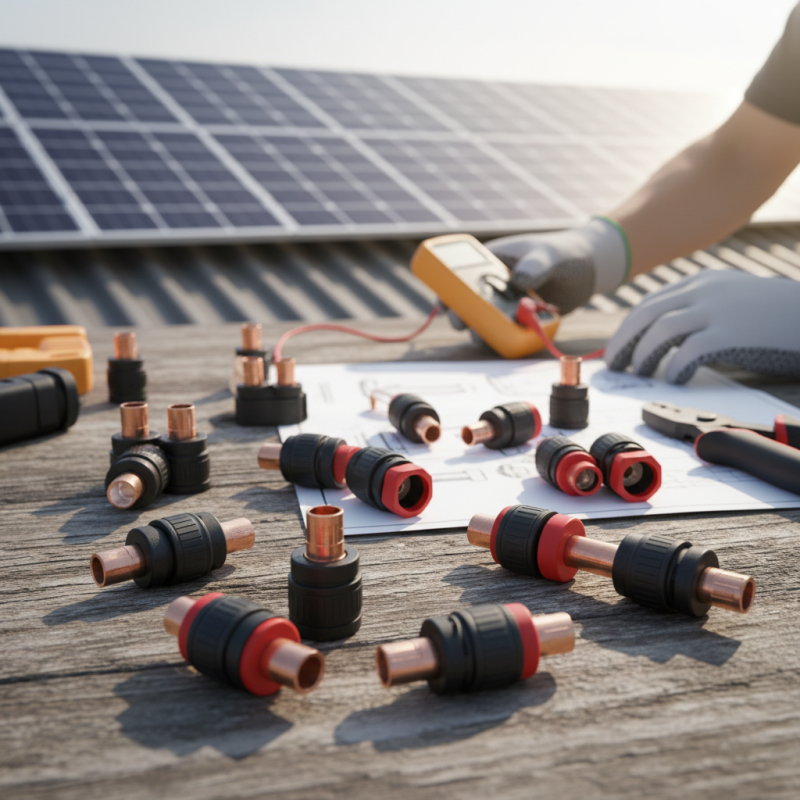
When selecting solar panel connectors, understanding the types available is crucial. MC4 connectors are the most commonly used in solar systems. They provide a secure, weatherproof connection. These connectors allow for easy coupling and uncoupling of solar panels. This feature is especially important during maintenance or replacement. However, their standardization means users must ensure compatibility across different systems.
There are also other types of connectors, such as Tyco connectors and Amphenol connectors. Tyco connectors are often praised for their durability, especially in extreme weather. On the flip side, Amphenol connectors are known for their flexibility and ease of use. However, users sometimes report issues with durability over time. It's essential to weigh the pros and cons of each type based on your specific needs.
When choosing connectors, consider the environment where they will be used. Factors like humidity and temperature play a significant role. Improper choices could lead to system inefficiencies or failures. Regularly inspecting connectors is vital to ensure long-term reliability. Each type has its benefits and drawbacks, making careful consideration necessary.
How to Choose the Right Solar Panel Connectors for Your Needs?
| Connector Type | Description | Advantages | Disadvantages |
| MC4 Connectors | The most common solar connector type, known for its reliability and ease of use. | Weather-resistant, secure connection, compatible with most solar panels. | Requires special tools for assembly, can be expensive compared to others. |
| XT60 Connectors | Popular in hobbyist applications, especially for drones and RC devices. | Lightweight, good for high current applications, easy to solder. | Not typically used in larger installations, less weather-proof. |
| Anderson Powerpole | Versatile connectors ideal for modular plug-and-play applications. | Good for high current, customizable configurations, strong reliability. | Can be bulky, require careful assembly and maintenance. |
| T Connector | Used for connecting multiple panels together, forming a 'T' shape. | Simplifies wiring for multiple panels, reduces connection points. | Less common, can be harder to find specific configurations. |
Key Factors to Consider When Selecting Solar Panel Connectors
Choosing the right solar panel connectors is crucial for system performance and longevity. When selecting connectors, consider the connector type. MC4 connectors are popular for their durability and ease of use. However, you might find alternatives that suit specific needs better. Look for what’s available and compare features.
Another important factor is the current and voltage rating. Ensure that the connectors can handle the electrical load of your solar system. For example, if your panels produce high voltage, select connectors rated for that level. Ignoring these ratings can lead to premature failure or even safety hazards.
Lastly, consider the environmental conditions. Connectors should withstand extreme temperatures and moisture. Corrosion-resistant materials are ideal, especially if you live in a coastal area. Reflecting on these factors will make the decision easier.
It's okay to have questions or to seek advice. Connecting with experienced professionals can provide clarity and help avoid common pitfalls.
Compatibility with Solar Panels and Inverters
When selecting solar panel connectors, compatibility with your solar panels and inverters is crucial. Each component in your solar power system must work seamlessly together. Different connectors have various designs and specifications. Understanding these can ensure efficient energy transfer and optimal performance.
Check the connector types on your solar panels and inverters. Often, MC4 connectors are standard, but there are exceptions. Using mismatched connectors can lead to installation issues. It might even pose safety risks. Take time to investigate the specifications provided by your solar equipment manufacturers.
Also, consider environmental factors. Extreme temperatures can affect connector performance. Ensure the connectors you choose can withstand local climate conditions. A compatible yet low-quality connector may lead to future problems. This could hinder your system's efficiency and longevity. Always prioritize reliable connections to promote stable energy output.
Compatibility of Solar Panel Connectors with Different Solar Panels and Inverters
Environmental Considerations for Solar Connector Durability
When selecting solar panel connectors, durability is crucial. Environmental factors significantly impact their lifespan. Research by the National Renewable Energy Laboratory shows that UV exposure can degrade connectors over time. High temperatures and humidity levels also contribute to failure. That's why choosing materials with high resistance to these conditions is vital. For instance, connectors made from UV-stabilized polycarbonate or corrosion-resistant metals can enhance durability.
Moreover, extreme weather can test solar connectors. In areas prone to heavy rains or snow, moisture ingress poses a risk. A report from the Fraunhofer Institute indicates that about 15% of solar system failures are linked to connector issues. Therefore, connectors with IP67 or higher ratings are recommended. They ensure protection against dust and temporary water immersion, prolonging the life of your solar installation.
Lastly, the manufacturing process also plays a role. Connectors that undergo rigorous quality control are likely to perform better. Industry standards set by the International Electrotechnical Commission provide guidelines on testing for endurance. Proper certifications reflect reliability. Not all connectors meet these standards, so an informed choice requires diligence and attention to detail.
Installation and Maintenance Tips for Solar Connectors
When installing solar connectors, proper maintenance is essential for optimal performance. According to a report by the National Renewable Energy Laboratory, regular inspections can increase the lifespan of solar systems by up to 25%. Check connections at least twice a year. Look for signs of corrosion or wear, especially in harsh climates. Corrosion can lead to inefficiency and reduce energy output.
Proper cleaning of connectors is equally important. Dust and debris can accumulate, impacting performance. Using a soft brush or cloth can remove buildup without causing damage. Avoid harsh cleaning agents. Consider using a multimeter to test connections periodically. This can identify issues early on. Aim for readings that align with manufacturer specifications.
Another aspect to consider is the installation environment. Protect connectors from extreme conditions. For instance, exposure to moisture can lead to short circuits. Using weatherproof connector housings can mitigate these risks. Additionally, follow industry guidelines for torque settings during installation. This ensures connectors are secure but not over-tightened. Over-tightening can damage components and lead to mechanical failure.