What is an Elastic RFID Wristband and How Does It Work?
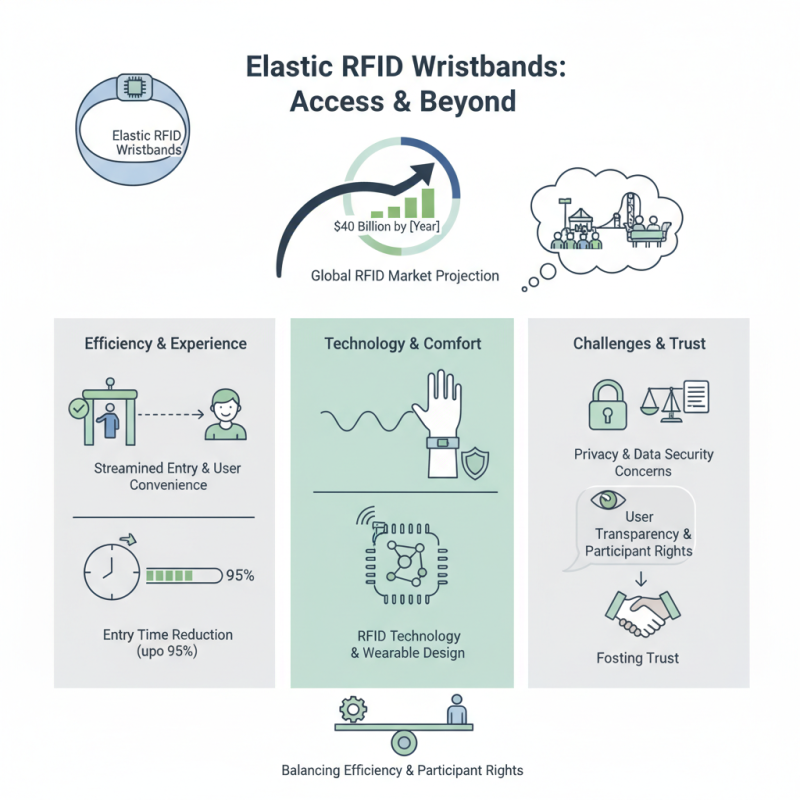
The elastic rfid wristband is revolutionizing access control and event management. According to recent industry reports, the global RFID market is projected to reach $40 billion by 2026, driven by innovations in technology and user convenience. Elastic RFID wristbands offer flexibility and comfort while ensuring reliable tracking and identification.
These wearables are increasingly used in festivals, theme parks, and conferences. They enhance the user experience by streamlining entry processes and reducing wait times. Research shows that events using RFID technology can decrease entry time by up to 95%. This significant improvement highlights the importance of embracing such solutions in a fast-paced world.
However, while the benefits are clear, there are concerns about privacy and data security. The implementation of elastic RFID wristbands must prioritize user transparency. Addressing these challenges is vital for fostering trust. As organizations adopt this technology, they should reflect on the balance between efficiency and participant rights.
What is an Elastic RFID Wristband?
An elastic RFID wristband is a modern technological accessory designed for convenience and functionality. It combines elasticity with RFID (Radio Frequency Identification) technology. This unique blend makes it comfortable to wear while providing various capabilities. These wristbands are typically made from durable silicone or fabric. They are lightweight and flexible, allowing them to fit snugly on a wide range of wrist sizes.
The working mechanism of an elastic RFID wristband starts with embedded RFID chips. These chips communicate with RFID readers through radio waves. When a user approaches an RFID reader, the wristband transmits data contained within its chip. This could include identification, access permissions, or payment information. The process is quick and seamless, making it ideal for events or access control scenarios. Yet, not every implementation is flawless. Sometimes, interference can occur, affecting the wristband's performance. It’s essential to consider these limitations when using this technology in critical applications.
What is an Elastic RFID Wristband and How Does It Work?
| Feature | Description |
| Material | Elastic, durable silicone |
| RFID Frequency | Low Frequency (LF) or High Frequency (HF) |
| Applications | Event management, access control, cashless transactions |
| Features | Water-resistant, adjustable size, customizable colors |
| Read Range | Typically between 10 cm to 1 meter |
| Data Storage | Stores unique ID, user data, and access rights |
| Security Features | Encryption, password protection, anti-collision technology |
| Environmental Impact | Recyclable materials used, reduces waste from traditional tickets |
Key Components of Elastic RFID Wristbands
Elastic RFID wristbands are innovative tools combining comfort and technology. The main components include RFID tags, elastic material, and a fastening mechanism. RFID tags are small chips that store data. They communicate with RFID readers through radio waves. This interaction allows for secure monitoring of information like attendance or transactions.
The elastic material is essential. It ensures the wristband fits a variety of wrist sizes. This accessibility is vital for events or venues with diverse audiences. The fastening mechanism should offer a snug fit without causing discomfort. Some users report wristbands slipping off during activities, which can be an issue. It’s crucial for the design to balance flexibility and security.
Additionally, the integration of these components can sometimes face challenges. Environmental factors like moisture can affect the RFID signal. Users must ensure the wristbands are stored in suitable conditions. Despite these hurdles, the design remains user-friendly and effective for various applications, from festivals to conferences.
How Elastic RFID Wristbands Function in Different Applications
Elastic RFID wristbands are becoming popular in various sectors. They serve as a flexible solution for tracking and identifying individuals. These bands utilize radio-frequency identification (RFID) technology, which enables seamless data exchange between the band and RFID readers. According to industry reports, the global RFID market is projected to reach $40 billion by 2026, indicating a rapid adoption of this technology.
In events and hospitality, elastic RFID wristbands enhance user experiences. These bands allow cashless transactions, speeding up checkouts and reducing long queues. Studies reveal that using RFID technology can increase sales by up to 30% at events. Additionally, in healthcare, they improve patient management by tracking real-time locations and streamlining processes. However, the reliance on technology also raises concerns about data security and privacy.
While elastic RFID wristbands provide several benefits, they are not without limitations. Issues like interference and reliability in crowded environments are critical. Some users may experience discomfort or irritation with long-term wear. As the technology continues to evolve, addressing these drawbacks will be vital for broader acceptance across various applications. Industry experts emphasize the need for continuous improvement in comfort and security features to fully harness the potential of RFID wristbands.
Advantages of Using Elastic RFID Wristbands
Elastic RFID wristbands have gained popularity for various applications, including events and access control. Their design is flexible, ensuring comfort during prolonged wear. Unlike conventional wristbands, elastic RFID models are more adaptable, conforming to different wrist sizes. This ensures a secure fit and minimizes the risk of loss.
One prominent advantage of elastic RFID wristbands is their durability. They can withstand wear and tear, making them suitable for active environments. Many users appreciate their waterproof properties. This feature makes them ideal for events that involve water activities. In crowded settings, these wristbands allow for quick scanning. This enhances efficiency during ticketing or access check processes.
While there are numerous benefits, some users may find that prolonged use can lead to skin irritation. Proper hygiene and occasional breaks can help mitigate this issue. Additionally, ensuring the correct RFID frequency is crucial for optimal performance. Some might struggle with setting these devices up initially. These challenges offer opportunities for improvement, both in product design and user education. Ultimately, understanding the features and addressing potential drawbacks can enhance the overall experience with elastic RFID wristbands.
Usage Statistics of Elastic RFID Wristbands in Various Industries
Common Use Cases for Elastic RFID Wristbands in Events and Access Control
Elastic RFID wristbands are becoming increasingly popular at events and for access control. These wristbands are not only comfortable to wear but also feature embedded RFID technology. This allows for quick and efficient management of access in crowded environments. Attendees can simply scan their wristbands at entry points, streamlining the check-in process. It provides a touchless experience, crucial in today's health-conscious world.
In music festivals, sporting events, and conventions, elastic RFID wristbands play a vital role. They help prevent unauthorized access and reduce the risk of counterfeit tickets. These bands can also serve as a payment method. Attendees can link their wristbands to a digital wallet, enabling cashless transactions. This convenience enhances the overall experience and minimizes long lines.
However, challenges exist. Some users may be skeptical about privacy concerns, wondering how their data is used. It’s essential for organizers to communicate transparently. Not every event has the resources to implement these systems effectively. This leads to inconsistent user experiences. Addressing these issues is key for wider adoption and improved functionality in the future.