Electrical Breakers play a crucial role in modern electrical systems. They protect homes and businesses from electrical faults. Understanding how these devices work can enhance safety and reliability.
An electrical breaker automatically shuts off power when it detects faults. This prevents damage to wiring and appliances. Knowing how they operate can help users identify issues early.
However, relying solely on electrical breakers is not enough. Regular maintenance and inspections are essential. Users should stay informed about their electrical systems for optimal performance. This approach keeps electrical hazards in check and ensures peace of mind.
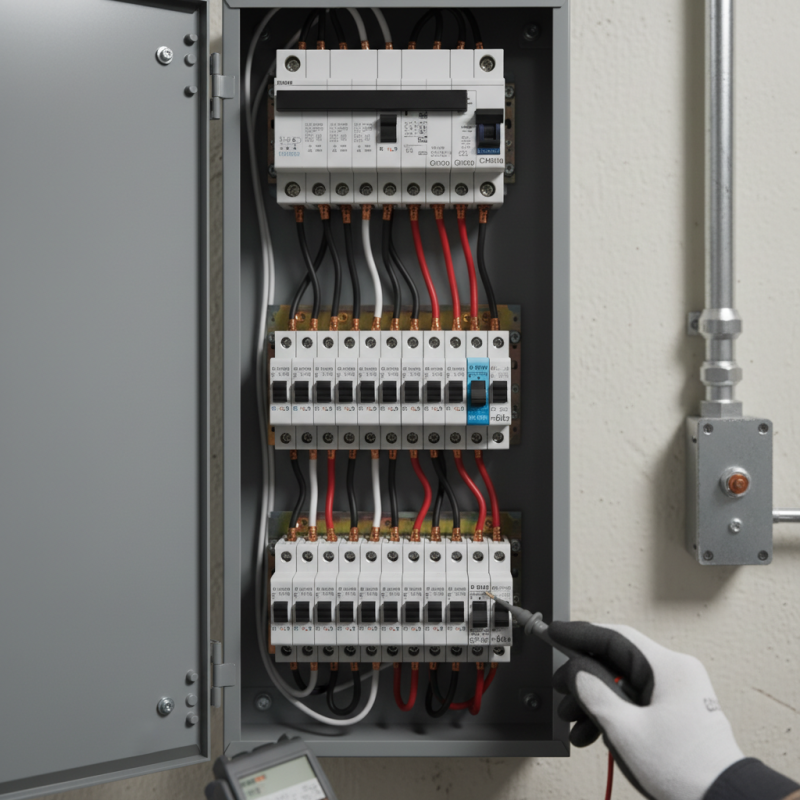
An electrical breaker is a crucial safety device. It automatically interrupts electrical flow when it detects anomalies. Breakers prevent overloading circuits and reduce fire risks. Data from the National Fire Protection Association shows that electrical failures cause over 25,000 home fires annually. This statistic highlights the importance of having functional breakers in every home.
Understanding how breakers work is essential. They consist of a switch mechanism that opens and closes the electrical circuit. When current exceeds the preset limit, the breaker trips. This instant action protects appliances and prevents damage. Proper installation and maintenance are key to their effectiveness. Regularly testing breakers ensures they function correctly.
Tips: Always keep your breaker box accessible. Labeling each breaker can help during emergencies. Inspect for signs of wear or tripping, which could indicate deeper issues. Ignoring these signs may lead to hazardous situations. Addressing small issues early can prevent larger problems later.
An electrical breaker serves as a critical safety device in our homes and commercial spaces. Understanding its components can provide insight into its functionality and importance. The main component of an electrical breaker is the switch mechanism. This device allows users to manually turn the breaker on or off. It's usually located on the front panel, easily accessible for operation.
Another crucial component is the bimetallic strip, which automatically trips the circuit when it overheats. This strip consists of two different metals bonded together. When heated, it bends, triggering the switch to open the circuit. There’s also an electromagnetic mechanism in some breakers. This component provides a faster response for short circuits, ensuring that electricity flow halts immediately to prevent damage.
Lastly, the enclosure protects these components from dust and moisture. It’s important to keep this enclosure secure and intact. If it’s damaged, it can expose the inner workings, leading to potential hazards. Regular inspections can help identify any wear or issues. Breakers need to be understood not just as parts of the electrical system, but as essential components that prevent dangerous situations.
Electrical breakers are crucial components in home and industrial electrical systems. They protect circuits from overload and short circuits. When a breaker detects a fault, it automatically interrupts the flow of electricity. This prevents damage to wiring and connected devices. A breaker essentially acts as a safety switch, ensuring that electricity only flows when it is safe to do so.
Understanding how electrical breakers function can enhance your safety awareness. They consist of a switch mechanism and a sensing element. The sensing element detects changes in current flow. When a significant change occurs, it triggers the switch to open the circuit. Interestingly, not all breakers respond in the same way. Some are designed for specific applications, leading to varied responses during faults.
Electrical breakers also require maintenance. Dust and moisture can affect their performance. Regular checks can identify issues before they lead to failures. Users should also know when to reset a breaker, but caution is advised. Resetting too often may indicate a larger problem. It’s essential to have a professional assess recurring issues.
This chart represents the distribution of different types of electrical breakers and their common trip causes. The data reflects typical industry experiences.
Electrical breakers are essential components in modern electrical systems. They come in various types, each serving a unique purpose in protecting electrical circuits. Circuit breakers, for instance, are designed to interrupt the flow of electricity during overloads or short circuits. This helps prevent fires and equipment damage. Ground fault circuit interrupters (GFCIs) provide an additional layer of safety, especially in wet areas. They cut off power when they detect an imbalance in electrical currents.
Another type is the arc fault circuit interrupter (AFCI). It detects dangerous arcs in wiring, which can lead to fires. These breakers are particularly useful in residential settings. Additionally, there are also mini circuit breakers (MCBs) that offer precise protection in smaller devices or localized circuits. Each type of breaker has specific applications, based on current ratings and environmental conditions.
Choosing the right electrical breaker is crucial. Installers should consider the load requirements and the environment. There can be instances where a breaker might trip unexpectedly, leading to frustration. Regular testing and maintenance are key. Awareness of each type's characteristics can enhance both safety and efficiency in any electrical setup.
| Type of Breaker | Description | Common Uses | Advantages |
|---|---|---|---|
| Miniature Circuit Breaker (MCB) | Automatically switches off electrical circuits during overload or short-circuit conditions. | Residential wiring, commercial electrical distribution. | Fast tripping, high reliability, no replacement fuse needed. |
| Residual Current Circuit Breaker (RCCB) | Detects imbalance in electrical current and switches off supply to avoid electric shocks. | Safety in wet areas, such as bathrooms and kitchens. | Enhanced safety, protection against electrocution. |
| Air Circuit Breaker (ACB) | Designed for high current applications, it uses air as the medium for arc extinction. | Industrial applications, large electrical panels. | High breaking capacity, suitable for large systems. |
| Oil Circuit Breaker (OCB) | Uses oil as an insulator and arc extinguishing medium, suitable for high voltage. | Substations, outdoor electrical distribution. | Reliable in harsh conditions, effective for high voltage applications. |
| Vacuum Circuit Breaker (VCB) | Operates by isolating circuits within a vacuum, suitable for medium voltage applications. | Power plants, manufacturing industries. | Compact design, maintenance-free for long periods, high efficiency. |
Electrical breakers play a critical role in safety systems. They are designed to automatically cut off electrical flow when there's an overload or short circuit. This swift intervention helps prevent electrical fires and equipment damage. The importance of electrical breakers cannot be overstated, as they serve as the first line of defense against potential hazards.
Regular inspection of electrical breakers ensures they function correctly. Over time, breakers may wear out or become less responsive. A faulty breaker can compromise safety. Tips for maintaining electrical breakers include checking for any signs of damage and testing them regularly. Consider hiring a qualified electrician for a comprehensive evaluation.
Stay aware of your electrical system's health. Monitor for flickering lights or tripped breakers, as they signal underlying issues. Don't ignore these warning signs. Proactive measures can save lives and property. Remember, safety should always be the top priority in any electrical system.