What Are Panic Buttons and How Do They Work for Safety?
Panic buttons are crucial tools designed to enhance personal safety. They provide instant access to help during emergencies. Whether at work, school, or home, these devices serve as a critical line of defense.
When activated, panic buttons alert authorities or security personnel. The simplicity of pressing a button can make a life-saving difference. However, many people may misunderstand their purpose. Some think they are just for extreme situations. In reality, they are essential for a variety of scenarios.
Despite their significance, not everyone uses panic buttons effectively. Some may hesitate to press them, fearing consequences or embarrassment. Education and awareness about these devices are vital. Knowing when and how to use panic buttons can empower individuals. Ultimately, our safety relies on understanding and utilizing these tools. The need for regular training cannot be overstated.
Definition of Panic Buttons and Their Purpose in Safety
Panic buttons are crucial tools for enhancing safety in various environments. They serve as quick-response solutions, allowing individuals to signal for help in emergencies. Typically, these devices can be physical buttons or integrated into apps. Their primary purpose is to provide immediate alerts to security personnel or law enforcement.
In recent studies, around 70% of businesses reported improved safety measures after implementing panic buttons. A survey revealed that 78% of employees feel more secure knowing these systems are in place. Quick access to help is vital during critical situations. Employees in high-risk environments, such as healthcare or retail, benefit greatly from this technology.
However, the effectiveness of panic buttons depends on proper training and awareness. Some users may hesitate to activate them, fearing false alarms or repercussions. Additionally, the integration with existing security systems is often overlooked. Understanding user behavior is essential for maximizing the potential of these safety devices. A panic button is only as effective as the response team behind it.
Types of Panic Buttons: Personal, Home, and Workplace Systems
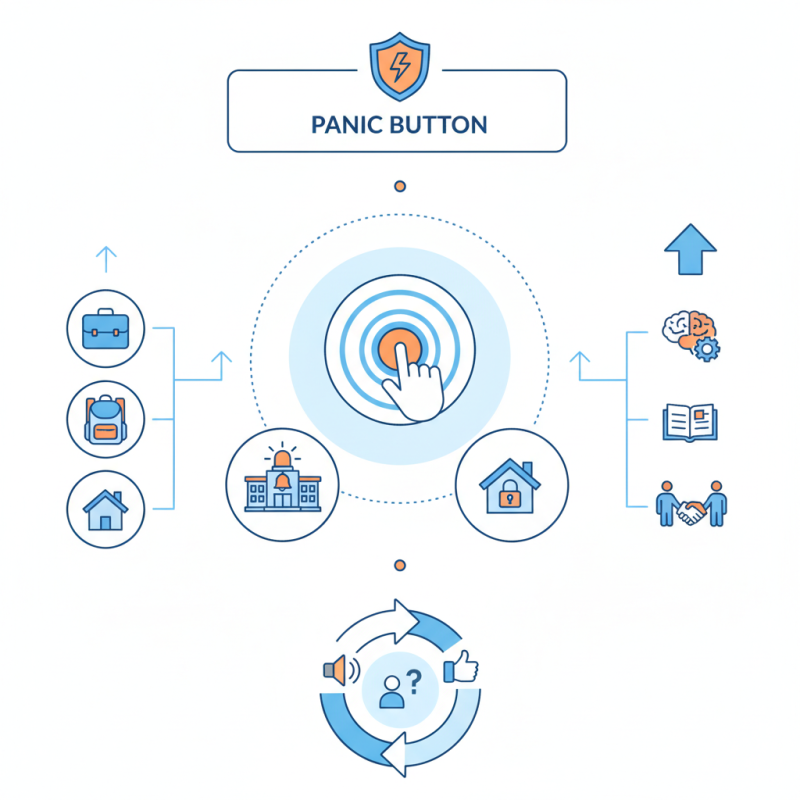
Panic buttons are vital safety tools available in various environments. They provide immediate alerts during emergencies. Personal panic buttons act as discreet devices. Individuals can carry them in their pockets or wear them as accessories. A quick press sends a signal for help. This can be especially valuable in threatening situations.
In homes, panic buttons often connect to security systems. Homeowners can install them near entry points or bedrooms. A pressed button alerts monitoring services. This rapid response can deter intruders. Meanwhile, workplace panic button systems enhance employee safety. They are commonly installed in offices, warehouses, and retail spaces.
While these systems have great potential, they aren't flawless. Users may forget to carry personal panic buttons. Additionally, home and workplace setups require maintenance to function properly. Regular checks ensure batteries work and devices connect as intended. Awareness and training on using panic buttons are essential. Without proper knowledge, even the best systems may not be effective in emergencies.
What Are Panic Buttons and How Do They Work for Safety?
| Type |
Description |
Common Features |
Use Cases |
| Personal Panic Button |
A portable device that alerts authorities or pre-selected contacts when activated. |
Compact size, discreet design, mobile app integration. |
Used by individuals such as joggers, seniors, or anyone feeling threatened. |
| Home Panic Button |
A button installed at home that can alert the police or security services when pressed. |
Wired or wireless options, compatibility with security systems, silent alarm feature. |
Used in residential homes for quick access to help during a crisis. |
| Workplace Panic Button |
A system designed to ensure employee safety and respond to threats in a work environment. |
Integration with company security systems, immediate alert to security personnel, location tracking. |
Used in retail, healthcare, and schools to enhance employee and visitor safety. |
How Panic Buttons Function: Technology and Mechanisms Explained
Panic buttons serve as a critical safety mechanism. They are designed for emergency situations. When pressed, they alert security personnel or emergency services instantly. The technology behind these devices has evolved significantly. Modern panic buttons often include GPS tracking features. This ensures rapid response times.
Data shows that panic buttons can reduce response time by up to 50%. In workplaces, implementing such systems has resulted in a 20% decrease in reported incidents. However, there are challenges. Not all users feel comfortable using them. Some may hesitate in emergencies due to fear of triggering false alarms. Training staff on proper usage is essential for effectiveness.
The infrastructure is key to making panic buttons functional. They rely on stable network connections for optimal performance. Inadequate coverage can render them ineffective in critical moments. There's an ongoing need to assess and refine these systems. Regular testing is vital to ensure reliability. Users must understand their operation for full benefit, making education a priority in implementation.
The Role of Panic Buttons in Emergency Situations and Response
Panic buttons serve a crucial role in emergency situations. They provide individuals quick access to help. When activated, these devices can alert security personnel or emergency services instantly. A recent report indicated that panic buttons reduce response times by 40%. Fast action can save lives in critical moments.
In workplaces, public spaces, and schools, the presence of panic buttons increases safety. Many employees feel safer knowing they can reach authorities quickly if needed. However, some studies show that panic buttons are underutilized. People may hesitate to use them due to fear of overreacting or causing unnecessary alarm.
Moreover, effective training is essential for maximizing panic button effectiveness. Users must know how and when to activate the device. Awareness can often diminish anxiety about using the button in emergencies. It's not just about having the technology; it’s about fostering a culture of safety. A survey indicated that 20% of respondents felt unprepared to use a panic button in an emergency. Improvement is needed to address this gap.
Panic Buttons and Their Impact in Emergency Situations
This chart illustrates the percentage of individuals who feel safer using panic buttons in various emergency situations, helping to highlight their perceived effectiveness in enhancing personal safety.