Choosing the right 5g Fixed Wireless Access Cpe Solution can be challenging. With numerous options available, it is essential to understand key factors. These factors will affect performance, reliability, and overall user experience.
When evaluating solutions, consider speed and coverage. Look for solutions that seamlessly integrate into existing networks. Features like easy setup and maintenance can save time and costs. Remember, the best solution should not only meet current needs but also future demands.
Ultimately, the right choice will not be the same for everyone. Your specific requirements will guide the decision. Reflect on the unique aspects of your situation and the performance you expect from a 5G Fixed Wireless Access Cpe Solution. This process can uncover insights that will enhance your connectivity experience.
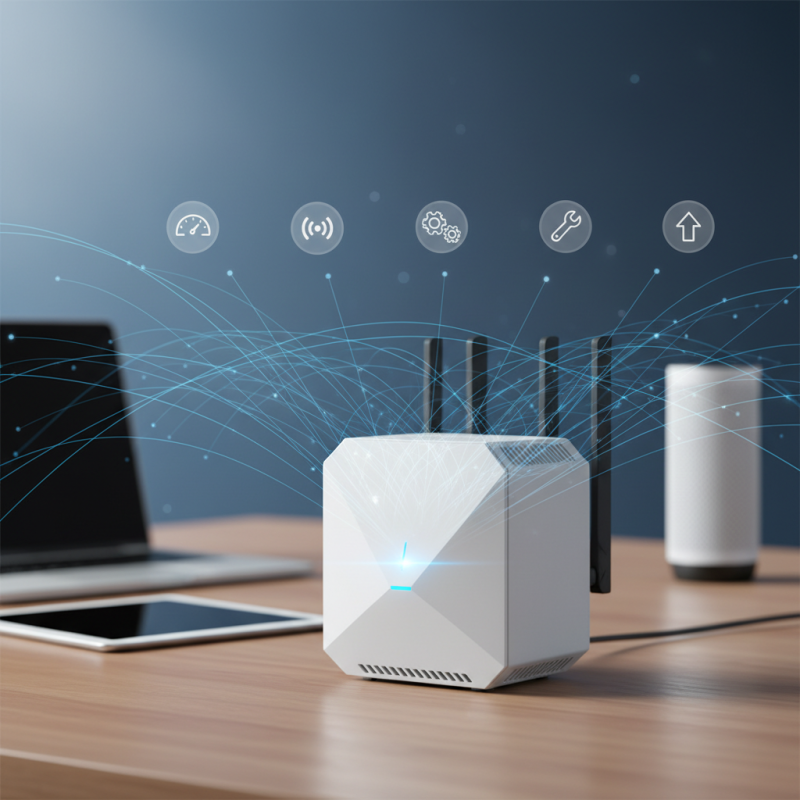
Choosing the right 5G Fixed Wireless Access CPE solution involves careful consideration of several factors. Device compatibility is paramount. Not all devices support every frequency band. Check if the solution meets local frequency regulations. This can significantly affect performance in varying environments.
Network performance is another critical factor. Look for solutions that offer strong throughput and low latency. Real-world testing results often differ from specifications. Seek feedback from current users to gauge reliability in different scenarios.
Lastly, evaluate support and updates from service providers. The best solutions evolve with technology. Regular software updates can enhance security and performance. A lack of support may result in vulnerabilities. Assessing these aspects will help you make a well-informed decision in a rapidly changing landscape.
When selecting a 5G Fixed Wireless Access CPE solution, understanding frequency bands is critical. 5G technology operates over various frequency ranges, notably low, mid, and high bands. Each band has unique characteristics that impact performance. Low bands provide wider coverage but slower speeds. High bands offer high speeds and low latency but limited range. The mid-band is a balance between the two, and it's gaining popularity.
Frequency bands can greatly influence user experience. Users in urban areas may benefit from high-band frequencies due to denser infrastructure. However, rural users might struggle with coverage in these bands. Choosing the wrong frequency can lead to poor connectivity and frustration. Bandwidth must match the environment and anticipated usage. This choice isn't always straightforward and requires careful consideration.
An informed decision involves understanding your specific needs. Reflect on the areas where the CPE will be used. Will it be in a densely populated city or a remote location? Your answer will help guide frequency selection. Not everyone considers this crucial aspect when selecting a CPE solution. It's easy to overlook the impact of frequency bands on overall performance and reliability.
This chart illustrates the performance of various frequency bands commonly used in 5G fixed wireless access CPE solutions. Sub-6 GHz offers moderate performance, while mmWave frequencies, such as 28 GHz, significantly enhance data speeds, showcasing the importance of frequency band selection in CPE solutions.
When choosing a 5G fixed wireless access (FWA) CPE solution, evaluating its performance metrics is crucial. Users should focus on several key aspects. Latency, for example, plays a significant role in determining how responsive the network feels. A lower latency translates to better performance, especially for real-time applications. Ideal latency can range between 10 to 20 milliseconds, but many solutions may fall short.
Throughput is another vital metric. High throughput means faster data transfer rates, which benefits users with heavy usage. When testing, measure not just peak throughput but also average performance during peak hours. This gives a clearer picture of what to expect in real world conditions. Signal strength and range are equally important. Weak signals can degrade performance, leading to frustrating experiences.
Sometimes, the specifications look promising on paper but fail in practical use. Real-world scenarios often expose flaws in performance. Therefore, it’s crucial to gather feedback from current users. Their insights can reveal issues not apparent in technical specifications. Finally, consider support and warranty options. Quality support can make a significant difference during troubleshooting.
When selecting a 5G Fixed Wireless Access CPE solution, assessing compatibility with your existing network infrastructure is crucial.
It's essential to evaluate how well the new device can integrate with the current setup. A thorough analysis of existing routers, switches, and other networking equipment is necessary. Sometimes, older hardware may struggle with newer technology. It’s worth considering potential updates or replacements needed for seamless operation.
Additionally, examine the spectrum bands your current network uses. Compatibility issues may arise if the CPE solution does not support these bands. Investigate the expected data speeds and latency of the new solution compared to your existing infrastructure. Discrepancies here could lead to suboptimal performance. Testing real-life scenarios, even if imperfect, can uncover hidden challenges.
Engaging with professionals who can lend their expertise in network compatibility may be beneficial. Consider their insights to make an informed decision.
When considering investments in 5G Fixed Wireless Access CPE solutions, a thorough cost-benefit analysis is crucial. This process helps to identify which solutions provide the best value for your organization. Evaluate installation costs versus potential savings on wired infrastructure. Sometimes, higher initial costs can lead to long-term savings. It’s vital to consider operational expenses and maintenance in this analysis.
When choosing a 5G solution, look for scalability. A system that grows with your needs can save money in the future. Think about the total cost of ownership, not just the purchase price. Understand what features you truly need. Are they essential for your operations? This reflection can prevent overspending.
You should also analyze performance metrics. Speeds must match operational demands. Inconsistent performance can lead to frustration and inefficiency. Connect with peers in the industry for insights. Their experiences can highlight potential pitfalls or advantages of specific options. Ultimately, successful investments in technology require careful consideration and a willingness to adapt.