What is a Waterproof Micro Switch and How Does It Work?
In the realm of modern electronics, the Waterproof Micro Switch plays a crucial role across various industries. With the global micro switch market anticipated to reach $3.2 billion by 2025, the demand for reliable, durable components is at its peak. These switches ensure functionality in demanding environments like automotive, industrial, and consumer electronics. Their design often includes sealed enclosures to prevent moisture ingress, a critical feature highlighted by a 2021 report from MarketsandMarkets.
Despite their robust capabilities, not all Waterproof Micro Switches perform flawlessly in every context. Some may face issues under extreme conditions, leading to concerns about longevity and reliability. Industry experts emphasize the importance of selecting the right switch based on specific application needs. A well-designed micro switch can significantly enhance the operational lifespan of devices. However, overlooking environmental factors can lead to failures that could be avoided.
Ultimately, understanding how Waterproof Micro Switches operate is vital. Their technical intricacies, including actuator types and snap-action mechanisms, contribute to their effectiveness. When deployed correctly, they excel in performance and durability, proving indispensable across various sectors. Addressing the imperfections in their application is an area ripe for exploration and advancement in technology.
Definition and Purpose of Waterproof Micro Switches
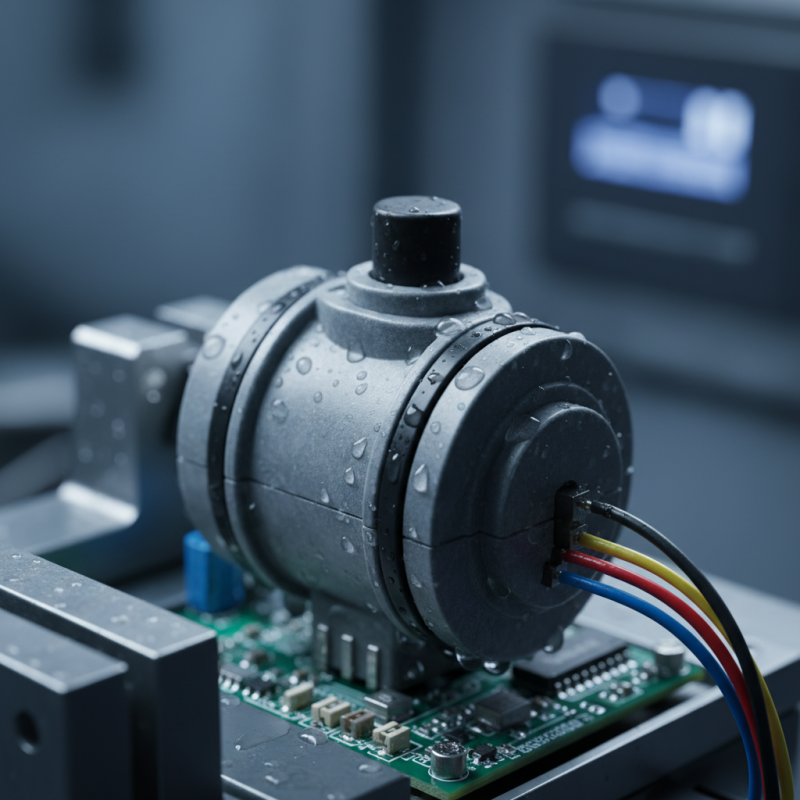
Waterproof micro switches are essential components in various devices. Their primary function is to control electrical circuits in environments exposed to moisture. These switches are designed to withstand water, dust, and other contaminants, ensuring reliable operation in challenging conditions. They are commonly used in appliances, outdoor equipment, and automotive applications, where durability is key.
The purpose of waterproof micro switches is not just to resist water; they enhance safety and longevity. With proper sealing, these switches prevent short circuits caused by moisture. This is crucial for devices that operate outdoors or in wet environments. However, the effectiveness of these switches can vary based on quality and installation. Users still face challenges in ensuring complete protection. Simple errors in mounting can lead to malfunction, reflecting the complexity in achieving true waterproof performance.
In many ways, waterproof micro switches represent a balance of functionality and practicality. They show how engineering can adapt to environmental challenges. Yet, even the best designs may not be foolproof. Regular maintenance and testing are often overlooked, which can undermine their effectiveness. It’s essential to understand their limits and the conditions in which they thrive.
Common Applications of Waterproof Micro Switches
Waterproof micro switches are becoming increasingly essential in various industries. These switches offer reliable operation in wet or harsh environments. They provide a crucial solution for products exposed to moisture, dust, or debris. A few common applications include marine equipment, outdoor lighting, and industrial machinery. Each setting utilizes the switch's ability to withstand challenging conditions.
In marine applications, waterproof micro switches control devices like pumps or navigation lights. These switches ensure that functionality is maintained, even when submerged. Outdoor lighting systems also benefit greatly from these switches. They can handle rain or humidity without malfunctioning, which is critical for safety.
However, even with their robust design, challenges can arise. Users must ensure proper installation. Improper sealing can lead to failure, negating the switch's protective qualities. It's essential to check for wear over time. Regular maintenance helps avoid unexpected breakdowns. Ultimately, while waterproof micro switches are reliable, human error can still lead to issues.
How Waterproof Micro Switches Function Mechanically
Waterproof micro switches are essential in various mechanical systems. They protect sensitive components from moisture and dust. These switches are designed to operate in harsh environments, ensuring reliability. Their construction typically involves sealing techniques to prevent water ingress.
Mechanically, waterproof micro switches function through a spring-loaded mechanism. When pressure is applied, the internal components make contact. This contact allows electrical current to flow. The sealing materials, often rubber or silicone, create a barrier against elements. However, the effectiveness can vary with different designs.
Despite the advancements, some waterproof micro switches may still fail. Over time, wear and tear can compromise seals. Users need to inspect these components regularly. Proper maintenance can help extend their life. Understanding their mechanical workings helps in choosing the right switch for specific applications.
Materials and Design Features of Waterproof Micro Switches
Waterproof micro switches are essential in various applications where moisture and dust can compromise device functionality. Their design emphasizes reliability in challenging environments. Typically, these switches are made with robust materials such as stainless steel, which resists corrosion. They often feature sealed housings that provide protection against water ingress. This ensures long-term durability and efficiency.
When examining the materials used, silicone rubber and polycarbonate are common choices. These materials offer elasticity and strength, allowing for a wide range of operating conditions. According to industry reports, waterproof micro switches boast a longevity of up to 1 million cycles under ideal conditions. However, wear and degradation can occur over time, especially in dirty or humid environments.
Tip: Regular maintenance of waterproof micro switches extends their life. Keep the switch area clean and check for any signs of wear.
Despite their robust design, some users overlook the importance of correct installation. Improper mounting can lead to seal failure, undermining waterproof capabilities. This can lead to functional disruptions. Ensuring that switches are properly set up is crucial in real-world applications where performance can't be compromised.
Maintenance and Durability Considerations for Waterproof Micro Switches
Waterproof micro switches are designed to withstand moisture and dirt. Their robust structure allows them to function in challenging environments. However, maintaining these switches is crucial for their longevity. Regular inspections can help identify any signs of wear or damage. Sometimes, the protective seals may deteriorate over time. This can lead to potential failures, which are often overlooked until it is too late.
Durability becomes a key consideration when choosing waterproof micro switches. The materials used in their construction matter significantly. For instance, corrosion-resistant coatings extend their life. Yet, these coatings need assessment for effectiveness regularly. Owners may find it easy to forget about routine maintenance, but this neglect can shorten the lifespan of the switches. Regular cleaning and testing can mitigate issues related to water ingress. It's essential to ensure that connections remain intact and functional.
Sometimes, users may notice that switches become less responsive due to accumulated debris. This indicates a need for more attention. Addressing small issues promptly can prevent more significant problems later. Research shows that the longevity of waterproof micro switches is directly linked to how well they are maintained. Ignoring these practices often leads to unexpected failures and costly downtimes. Reflecting on maintenance habits could reveal areas for improvement.
Maintenance and Durability of Waterproof Micro Switches